
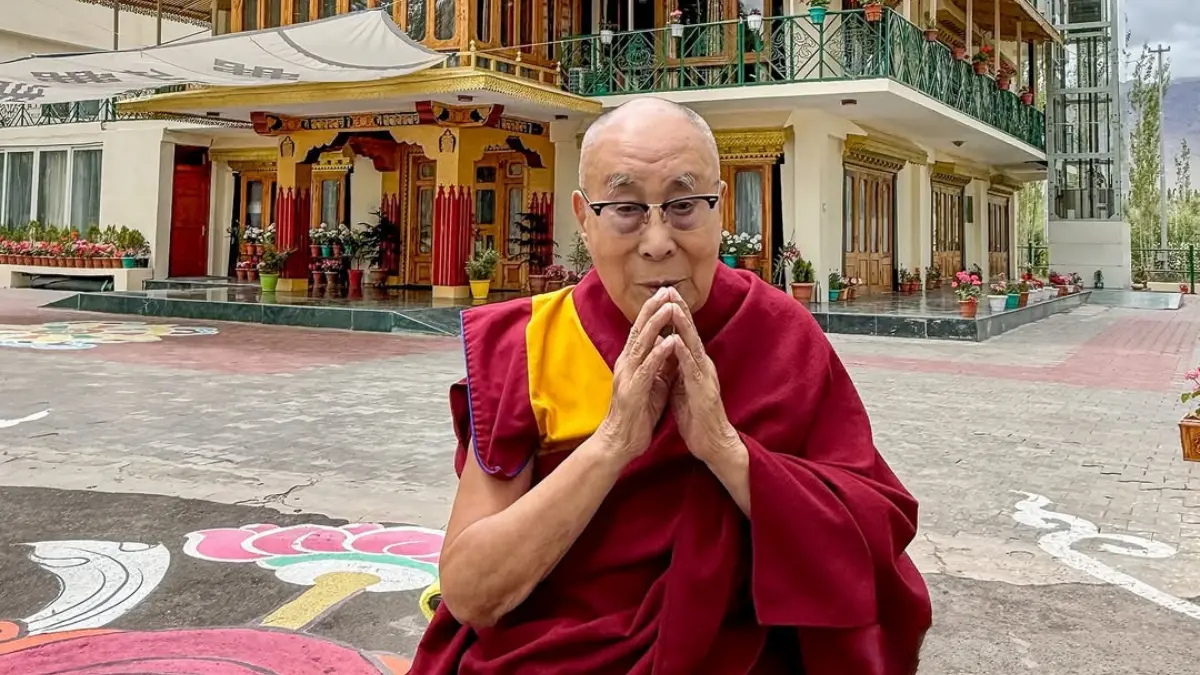
In a Grammy night full of chart‑topping artists and surprise wins, one of the most unexpected—and deeply meaningful—moments came when Dalai Lama was honored with his first Grammy Award at the 68th Annual Grammy Awards in Los Angeles. At 90 years old, the globally revered Buddhist leader stepped into the music world’s spotlight, not with a pop hit, but with a spoken‑word album rooted in compassion and mindfulness.
A Historic Grammy Victory
His Holiness Tenzin Gyatso received the Grammy for Best Audio Book, Narration, and Storytelling Recording for Meditations: The Reflections of His Holiness the Dalai Lama. The album—an innovative fusion of his spoken reflections with musical accompaniment—stood out in a category that included notable figures from comedy, law, and music narration.
Unable to attend the ceremony in person, the Dalai Lama’s honor was accepted by acclaimed musician Rufus Wainwright, who offered a light‑hearted aside during his speech: “Okay, I am not the Dalai Lama, obviously.”
Beyond Music: A Message of Shared Humanity
Rather than treat the Grammy as a personal accolade, the Dalai Lama framed the recognition as a broader endorsement of his life’s work. Upon hearing the news, he said:
“I am deeply touched by this recognition. This award is not for me alone, but for the values of compassion, peace, and care for our shared world that we must all uphold.”
This perspective reflects themes familiar to his followers and new listeners alike: humility, interconnectedness, and a focus on collective welfare over individual fame—a message that resonates powerfully, especially coming from someone whose life has been dedicated to spiritual leadership and advocacy.
The Path to Grammy Recognition
The Dalai Lama’s Grammy journey began in 2025 when Meditations: The Reflections of His Holiness the Dalai Lamawas released. The album marries his reflective teachings with contributions from musicians across traditions, including Indian classical influences and global collaborators. It’s an artistic extension of decades‑long efforts to make age‑old Buddhist insights accessible to a worldwide audience.
This isn’t unheard of for figures outside the traditional music scene; past non‑artists like Barack Obama and Michelle Obama have won Grammy Awards for spoken‑word recordings. But for the Dalai Lama—whose influence began in the remote Himalayas and rippled across continents through peace talks, teachings, and writings—this win marks a distinctly cultural milestone.
Who Is the Dalai Lama?
To understand the gravity of this moment, it helps to look back at the man himself. Born Lhamo Dhondup in 1935 in northeastern Tibet, he was recognized at age two as the reincarnation of the 13th Dalai Lama. By his early 20s, he became embroiled in the turbulent politics of mid‑20th‑century Tibet. In 1959, facing a brutal crackdown following a failed uprising against Chinese rule, he fled to India, where he has lived in exile ever since.
From exile in Dharamsala, India, the Dalai Lama became a global figure for nonviolence, religious understanding, and cultural preservation. Awarded the Nobel Peace Prize in 1989 for his nonviolent struggle for the liberation of Tibet and universal compassion, he has long been admired as both a religious and moral leader.
A Life of Influence and Expression
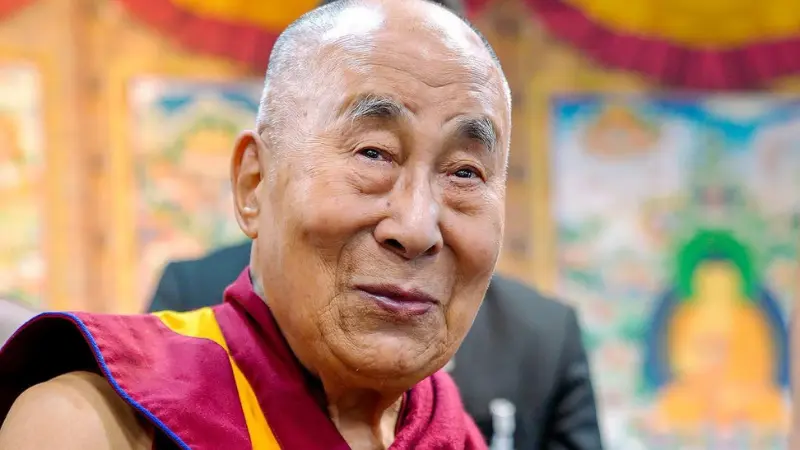
What makes his Grammy win so striking is how it bridges ancient teachings with contemporary expression. The album doesn’t just recite spiritual ideas—it invites listeners into contemplative space through rhythm, voice, and sound. It’s a format that aligns with the Grammy category, yet carries an unmistakable depth grounded in centuries of Buddhist philosophy.
Music and spoken-word formats have played a growing role in how spiritual and philosophical teachings are shared in the digital age. For the Dalai Lama, whose messages have been translated into dozens of languages and spread through books, talks, and digital media, the Grammy adds another dimension to his voice—a voice now recognized on one of the world’s most celebrated artistic platforms.
Cultural Impact and Legacy
The Dalai Lama’s Grammy win is more than a novelty—it’s a testament to the permeability of creative borders and the hunger for meaning in contemporary culture. In a music industry often dominated by rhythmic hooks and chart metrics, this recognition for a spiritual and reflective work suggests audiences and institutions alike are open to diverse forms of storytelling.
His victory also underscores a growing blend of spiritual introspection with mainstream media. Artists, thinkers, and leaders are finding new ways to connect with global audiences through formats that fuse art and wisdom. The Dalai Lama’s achievement amplifies this trend, highlighting how timeless teachings can find fresh resonance in modern spaces.
What It Means for Pop Culture Today
For a pop‑culture and lifestyle audience, the Dalai Lama’s Grammy nod represents a rare moment where spiritual leadership and cultural celebration intersect. It broadens the definition of what counts as influential in the arts and invites readers to explore audio beyond traditional music—into spaces of reflection, mindfulness, and collective connection.
Stay updated
Stay inspired with Stories, Style, and What We Love – explore more in our Entertainment, Lifestyle, Men’s Scene, and Women’s Scene on The Scene Daily.
*This page contains affiliate links. Purchases made through these links may earn a commission at no extra cost to you.