K-Beauty skincare has transformed from a regional beauty ritual in South Korea into one of the most powerful global skincare movements of the modern era. From Seoul to New York, Paris to Dubai, beauty consumers are now embracing a completely different philosophy of skin health—one that prioritizes hydration, prevention, and long-term care over quick fixes and harsh treatments.
The viral “glass skin” look, smooth, luminous, and almost translucent, has become a worldwide beauty ideal. But behind the trend lies something deeper than social media aesthetics: a structured skincare philosophy that is reshaping how millions of people understand their skin.
The Philosophy That Changed Global Skincare
At the heart of K-Beauty is a simple but powerful idea: skin should be nurtured, not attacked. Instead of reacting to problems after they appear, Korean skincare focuses on preventing them through daily care, hydration, and barrier protection.
This approach has gradually influenced beauty routines far beyond Asia. Dermatology experts in Western markets increasingly emphasize the importance of skin barrier health and consistent hydration, aligning closely with the K-Beauty mindset. In fact, skincare guidance from institutions such as the American Academy of Dermatology repeatedly highlights sunscreen as one of the most important daily steps in preventing premature aging, a principle that Korean skincare integrated long before it became mainstream in the West.
The Routine That Went Viral Around the World
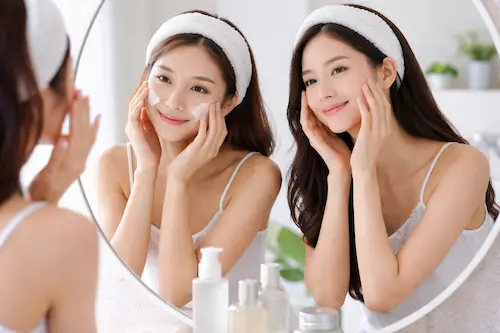
The famous K-Beauty routine is often described as a multi-step system, but in reality it is far more flexible than its viral reputation suggests. It typically begins with an oil cleanser that removes makeup and sunscreen, followed by a water-based cleanser that purifies the skin without stripping it. Exfoliation helps remove dead skin cells, while toner prepares the skin for hydration. Essences, serums, and ampoules deliver concentrated ingredients, sheet masks boost moisture, and moisturizer locks everything in. During daytime, sunscreen becomes the final and most essential layer.
While social media often presents this as a strict ten-step ritual, most users around the world adapt it to their own needs. Some prefer a simplified version, others embrace the full layering experience as a form of self-care. The core principle remains consistent everywhere: gentle layering creates stronger, healthier skin over time.
Why K-Beauty Became a Global Obsession
The rise of K-Beauty is closely tied to digital culture. Platforms like TikTok, Instagram, and YouTube turned skincare into visual storytelling, where routines are not only practiced but performed, shared, and recreated across continents.
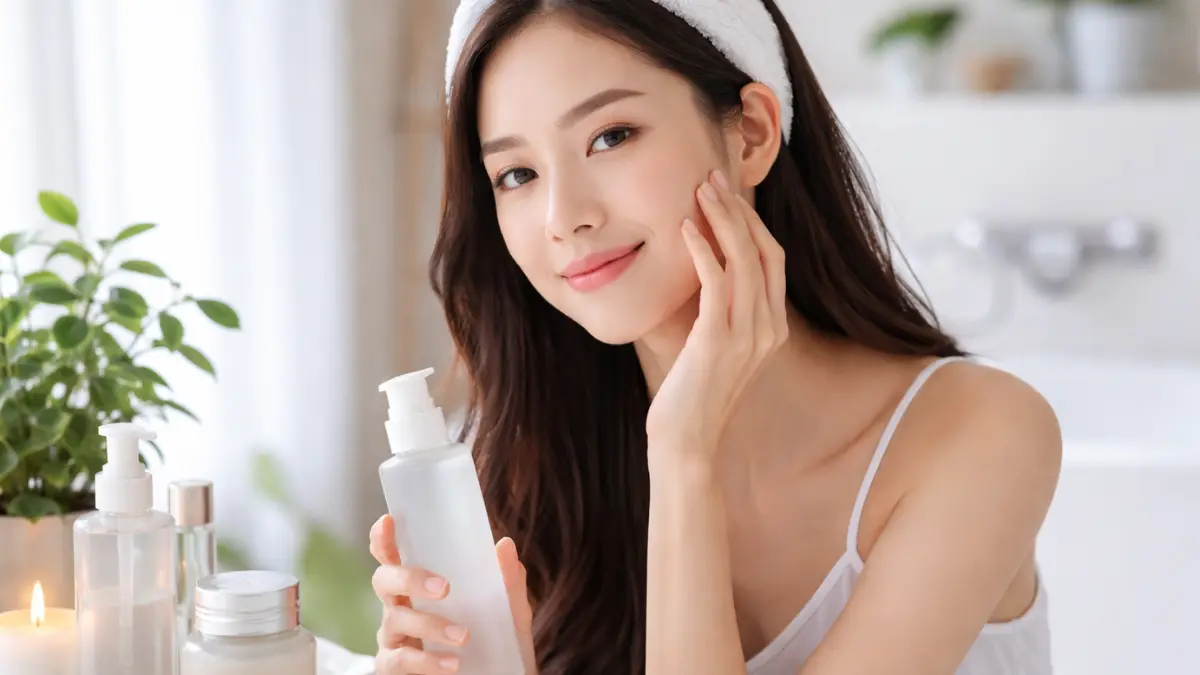
One of the most influential concepts driving this global obsession is “glass skin.” The term describes a complexion so smooth and hydrated that it reflects light like glass. This aesthetic quickly moved beyond Korea and became a global beauty aspiration, especially among younger consumers seeking natural, makeup-free radiance.
At the same time, innovation played a major role. Korean brands continuously introduced new textures and formulations—watery essences, gel creams, and lightweight emulsions—that felt different from traditional Western skincare products. Industry leaders such as Amorepacific helped establish this philosophy early on, building entire product lines around layering and hydration long before it became a global trend.
Ingredients That Redefined Modern Skincare
K-Beauty is also responsible for bringing once-unknown ingredients into global mainstream skincare. Snail mucin, for example, was initially seen as unusual in Western markets but is now widely recognized for its hydrating and skin-repairing properties. Centella asiatica, often referred to as “cica,” has become a global staple for calming irritated skin. Niacinamide is now one of the most universally used skincare ingredients, valued for its ability to improve skin texture, reduce pores, and even out tone. Hyaluronic acid remains a cornerstone of hydration-focused routines worldwide.
These ingredients are not just trends; they reflect a deeper philosophy of supporting the skin barrier rather than overwhelming it.
What Science and Dermatology Say
As K-Beauty has grown globally, dermatological research has increasingly supported several of its core principles. Skin health experts, including those cited by Harvard Health Publishing, emphasize the effectiveness of ingredients like retinoids in supporting cell turnover and improving skin texture over time. This aligns with the K-Beauty focus on long-term skin improvement rather than instant correction.
At the same time, dermatology institutions such as the American Academy of Dermatology continue to stress the importance of daily sunscreen use as one of the most effective ways to prevent early signs of aging and sun damage. This principle is deeply embedded in Korean skincare culture, where sunscreen is not an optional step but a non-negotiable part of daily routine.
The overlap between scientific dermatology and K-Beauty philosophy is one of the key reasons the trend has gained credibility across global markets.
Glass Skin: From Trend to Global Beauty Standard
“Glass skin” has evolved from a Korean beauty ideal into a global aesthetic language. It represents skin that is deeply hydrated, smooth in texture, and naturally radiant without heavy makeup. Across continents, consumers are increasingly moving away from matte, heavily contoured looks toward fresh, glowing skin that feels more authentic and alive.
What makes glass skin so powerful is not just its appearance but its implication: beauty is no longer about covering flaws, but about revealing healthy skin underneath.
Different Skincare Cultures, One Shared Direction
Around the world, skincare traditions have historically differed. Western routines often prioritize targeted treatments and active ingredients in fewer steps. European skincare has long focused on dermatological simplicity and efficiency. K-Beauty, however, introduced a more layered and ritual-based approach that emphasizes hydration and gradual transformation.
Instead of replacing existing systems, it has influenced them. Many global skincare brands now combine Korean layering techniques with Western active ingredients, creating hybrid routines that reflect a more unified global skincare culture.
How People Around the World Adopt K-Beauty
Despite its complex reputation, most people globally do not start with full routines. Instead, they integrate K-Beauty gradually into their existing skincare habits. A simple foundation usually includes a gentle cleanser, a hydrating toner or essence, a serum tailored to specific concerns, and daily sunscreen. Over time, additional steps such as sheet masks or ampoules may be added depending on skin needs and climate.
This adaptability is one of the reasons K-Beauty has successfully spread across different cultures and skin types.
Common Mistakes in Global Adoption
As K-Beauty expands worldwide, beginners often make similar mistakes. One of the most common is overloading the skin with too many products too quickly. Another is copying complex influencer routines without considering individual skin needs. Dermatology experts frequently warn that combining too many active ingredients without understanding their interactions can lead to irritation and barrier damage.
Despite its emphasis on skincare, sunscreen is still sometimes underestimated by newcomers, even though it remains one of the most essential pillars of the entire philosophy.
The Billion-Dollar Industry Behind the Glow
Today, K-Beauty is a multi-billion-dollar global industry that continues to expand rapidly. Korean skincare brands are now available in major international retailers, luxury beauty stores, and online platforms across nearly every continent. Social media continues to fuel this growth, turning skincare into a blend of education, entertainment, and lifestyle aspiration.
What started as a national beauty philosophy has now become a global industry standard influencing product development worldwide.
Conclusion: A Global Shift in Beauty Thinking
K-Beauty skincare is no longer just a trend—it is a global shift in how people understand skin health. Its focus on hydration, prevention, and gentle layering has permanently changed beauty routines across cultures and markets.
While skincare traditions still vary around the world, the direction is becoming increasingly unified. The modern beauty ideal is no longer about covering skin, but about caring for it deeply and consistently.
In the end, K-Beauty’s biggest impact is not just on products, but on mindset: healthy skin is not created overnight—it is built step by step, every single day.
The Scene Daily: Today’s Recommendations
Ready to embrace the K-Beauty glow in 2026? Here are the top Korean skincare and beauty picks to achieve that flawless, on-trend look:
- Anua 3-Step Glass Skin Beginner Set is a simple Korean skincare routine designed to hydrate, smooth, and create a naturally radiant glass skin glow.
- Moisturizing Korean Rice Skin Care Set is a 5-step routine designed to deeply hydrate, brighten, and boost natural radiance for smooth, glowing skin.
- BIODANCE Bio-Collagen Real Deep Mask is a hydrating overnight hydrogel face mask designed to deeply nourish, firm, and restore a smooth, radiant complexion.
*If you’re outside the U.S., you’ll automatically see the best matching products for your country.
Stay updated
Stay inspired with Stories, Style, and What We Love – explore more by Anna Karolina Heinrich in our Men’s Scene, Entertainment or SHOP on The Scene Daily.
*This page contains affiliate links. Purchases made through these links may earn a commission at no extra cost to you. If you’re outside the U.S., you’ll automatically see the best matching products for your country.